The English-language travel guide
For tourists and expats: what is worth seeing, what is not, what to know beforehand. Romania explained honestly, without varnish and without Dracula.
Running since 2025

Asociația Curaj Înainte, since 2018
Where liberty gives way, we must build all the more.
We promote Romania, democratic principles and European values.
The motto has two halves and both demand action: the first identifies, the second responds. Where liberty gives way — in the press, in public life, in the citizen’s attention — we observe, we flag, we explain. Then we build: code, aggregators, guides, tools. Things that work and last, not manifestos that tug at heartstrings.
We are a Romanian association, founded in 2018, dedicated to promoting Romania, democratic principles and European values. We show the real country to those who see it through clichés, teach democracy where people are formed, keep information clean, and turn up when help is needed.
We have no permanent staff and keep no office. What we do have is method: pick one narrow problem, describe it precisely, build the simplest tool that solves it, and keep that tool running for as long as it is needed.
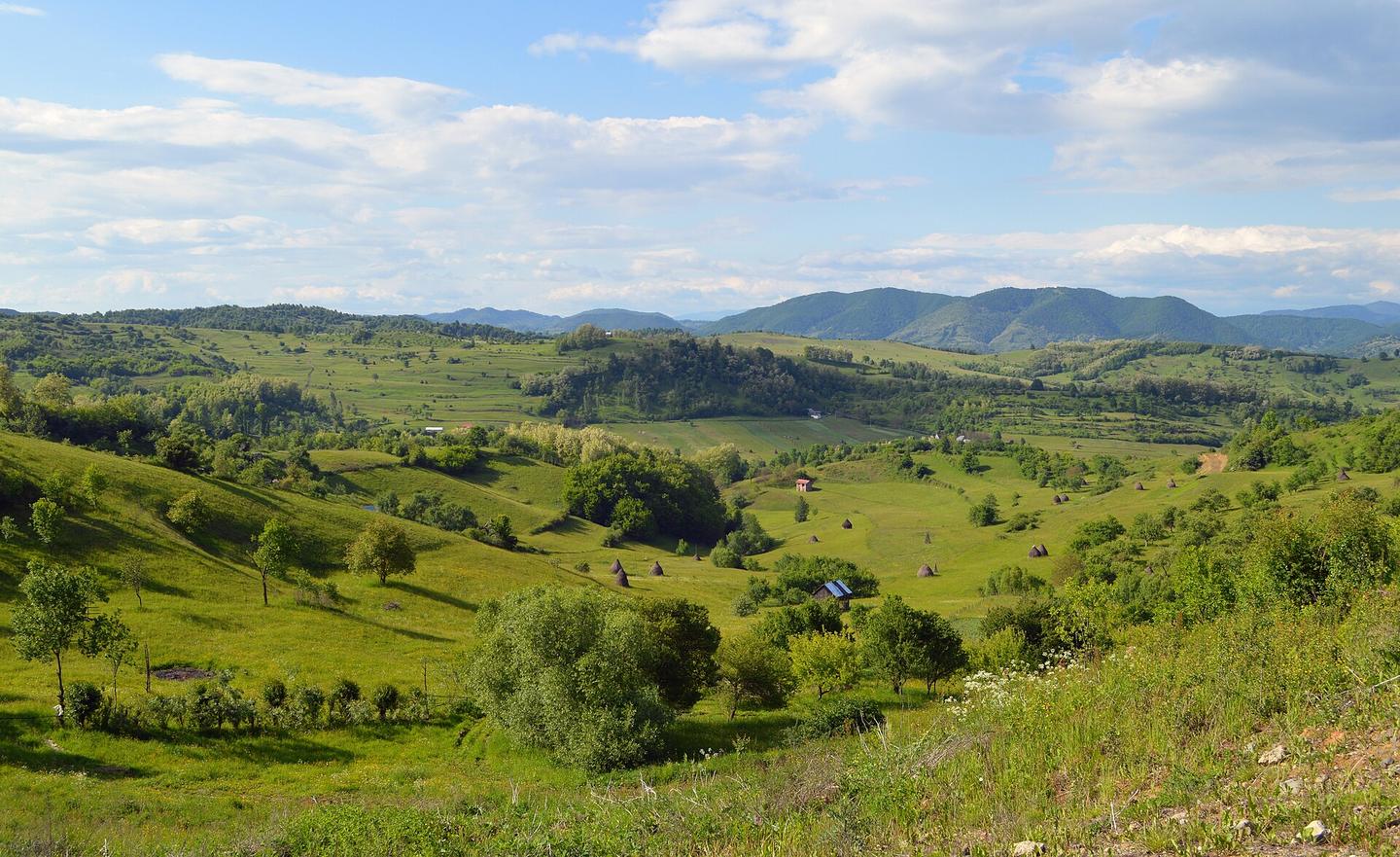
For much of Europe, Romania is still a caricature: Dracula, Ceaușescu, a handful of tourist clichés. The distortion is not merely insulting, it is expensive — it limits the country’s economic, cultural and diplomatic relations. We show the real country.
For tourists and expats: what is worth seeing, what is not, what to know beforehand. Romania explained honestly, without varnish and without Dracula.
Running since 2025
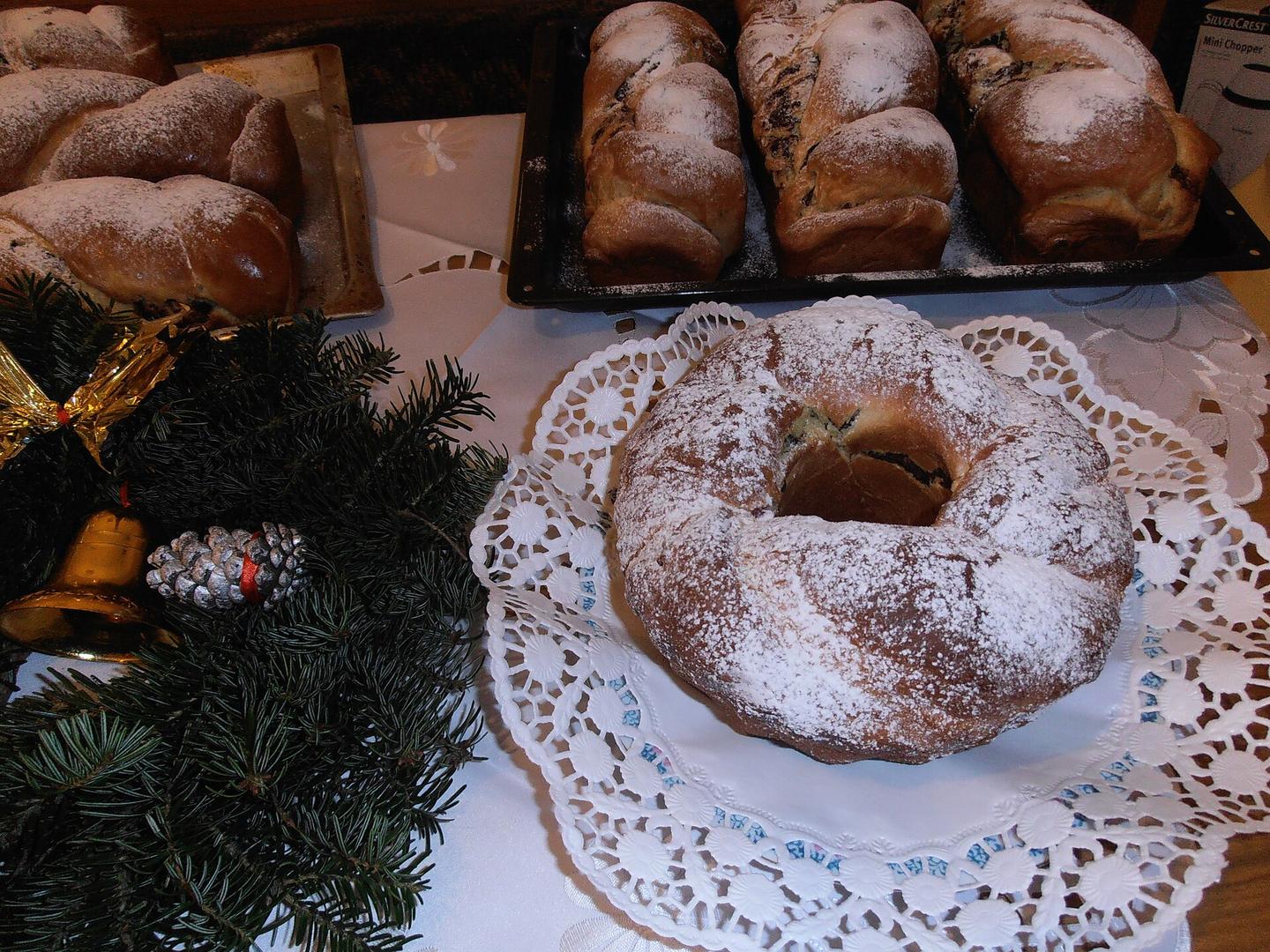
Romanian food is one of the country’s best stories. We co-initiated Romania’s National Gastronomy and Wine Day, co-organise the National Congress of Gastronomy and Wine, and reprint old cookbooks, so the recipes can be read from their sources.
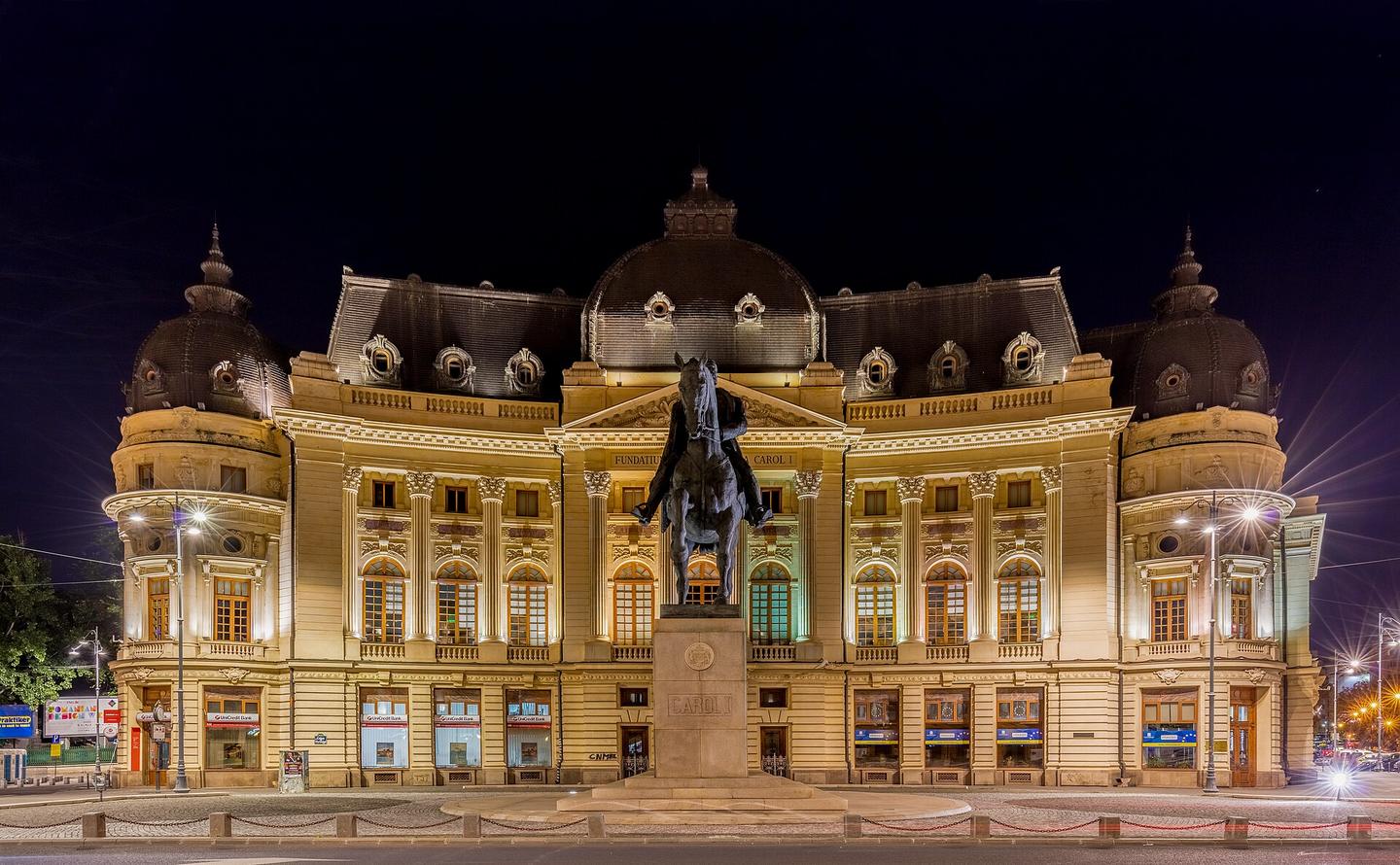
Photo: Andcrislor, CC BY-SA 3.0, Wikimedia Commons
Democracy is not defended only on election day. We have worked with young people voting for the first time, with political science students and with high-school pupils in disadvantaged regions.
2019
A get-out-the-vote campaign aimed at Gen Z.
2021
A non-formal course in political communication and consultancy, developed with the Faculty of Political Science of the University of Bucharest.
2022
Civic education and digital literacy in five high schools in disadvantaged regions.

Romanian readers scan headlines, not articles. The algorithms deliver outrage, because outrage travels better than context, and manipulation campaigns run on generative tools that get cheaper by the month.
We answer with three instruments that run every day. What you see below is taken straight from them, every half hour.
news channel on WhatsApp
A news channel on WhatsApp. Three bulletins a day — morning, noon and evening — breaking news when it matters, and an analysis of the day at 8 pm. Every edition also comes as audio. At the weekend: picks of clips, music, recipes and wines. The horoscope is a joke.
Latest edition: Buletinul de dimineață,
În România, maxime 10–16°C; în cele mai multe orașe predomină ploaia slabă.
Follow on WhatsApp Every edition, text and audio
Made by Mihnea Dumitru and Cosmin Dragomir.
coteledunarii.ro
The five stories dominating the Romanian press today, rising and falling hour by hour by how many newsrooms carry them. Next to them, the real water levels of the Danube, from the daily INHGA bulletin. No artificial intelligence and no API costs: just counting.
the new wave
The new wave. A directory of Romanian podcasts picked by people, not by algorithms: the latest episodes of each, and on every one a link to subscribe straight to its podcast.
97 podcasts in the directory
All three are projects of Uzina din Nori and of Asociația Curaj Înainte.
Assistants that answer questions about Romanian political affairs from a verified corpus. The build rule is simple and non-negotiable: when they do not have the information, they say so. They cite their sources and invent nothing.
In production, under continuous development
Checking the claims in an article against reference sources, heuristic analysis for machine-generated text, and answering strictly from a closed corpus. Three tools, one intent: give people something to use, not just a warning.
Beta, public launch in 2026
European values show most in a crisis. When it was needed, we set our plans aside and worked on what was urgent.
2020
A verified-news channel for Romanians at home and abroad, and explanatory material for the vaccination campaigns.
2022
Support for refugees from Ukraine: a food depot, a volunteer hub, evacuations from Kyiv. Funding for organisations in the Republic of Moldova.
From a Facebook press review to a suite of automated tools — the moments that mattered.
2017–2018
The project starts in December 2017, as a reaction to the tabloidisation of the press. Incorporated in 2018. First substantial product: Telegraful, a press review distributed on Facebook and through a mobile app.
2019
A get-out-the-vote campaign aimed at Gen Z. In parallel, the first version of the news aggregator — no fake news, no tabloid — the direct precursor of today’s products.
2020
The pandemic rewrites priorities. We launch a verified-news channel for Romanians at home and in the diaspora, and back the vaccination campaigns with explanatory material.
2021
A non-formal course in political communication and consultancy, developed with the Faculty of Political Science of the University of Bucharest.
2022
Civic education and digital literacy in five high schools in disadvantaged regions. In parallel, support for refugees from Ukraine: a food depot, a volunteer hub, evacuations from Kyiv, funding for organisations in the Republic of Moldova.
2023–2024
The first generation of in-house tools, with language models behind them. The association moves from direct activism to systematic civic tech: fewer campaigns, more infrastructure.
2025
We launch the English-language travel guide — a project that directly challenges the clichéd image of Romania in the European press and imagination.
2026
Cotele Dunării, the Acum Știi channel (August) and dinpod.ro (October) go live. Alongside them, the public launch of the counter-disinformation tools and a three-year plan built on four lines: aggregation, conversational assistants, automated verification and the editorial axis.
Projects of the association have been funded through Active Citizens Fund Romania (2022) and by FDSC, the Civil Society Development Foundation (2019).
A journalist of gastronomic heritage and a political analyst who builds tools. Two ways of defending the same country.

Co-founder and president
Political analyst and communication specialist. He holds a PhD in political science from the University of Bucharest and an MA in Diplomacy from the University of Nottingham, with earlier studies in South Korea, Canada and the United Kingdom. He served as a foreign-policy adviser in the Romanian Parliament between 2008 and 2014. He builds the association’s digital systems — news aggregators, verification tools, data dashboards — and has taught cognitive methods and academic ethics at ASE Bucharest.

Co-founder
Food journalist, author and cultural entrepreneur with more than 18 years in the press. He founded Romania’s first magazine devoted to researching the history of gastronomy and hospitality, then the publishing house of the same name, which has issued over ten titles — mostly reprints of old Romanian cookbooks. Co-initiator of Romania’s National Gastronomy and Wine Day and co-organiser of the National Congress of Gastronomy and Wine. He wrote Curatorul de zacuscă and Colecționarul de sarmale, and co-authored Dulce Românie.
We build at low cost, but not at zero. Servers, language-model licences, domains and accounting cost money every month. Choose how you help.
Between 1 January and 25 May. It costs you nothing.
If you are employed or receive dividends in Romania, you can redirect up to 3.5% of your annual income tax to the association. Form 230 is filled in online, takes a minute, and costs you nothing — that money is already paid to the state.
Fill in form 230Credit or debit card, or PayPal, in any currency. The recommended minimum is 10 lei. Confirmation arrives automatically by email.
Donate via PayPalFor recurring donations or larger amounts.
RO35 RZBR 0000 0600 2018 2553
Companies can sign a sponsorship contract and deduct the amount from their profit tax. The model contract and the billing details are just below.
Sponsorship detailsLegal entities, under Law 32/1994
A company can support the association through a sponsorship contract and deduct the amount from its profit tax, within the legal limit: 20% of the profit tax due, not exceeding 0.75% of turnover. Download the model contract, fill in your company details and send it signed to contact@curajinainte.org. We countersign and return it the same working day.
Short answers to the questions we get most often from donors, journalists and partners. If something is still unclear, write to us.
Curaj Înainte is a Romanian non-profit association founded in 2018, dedicated to promoting Romania, democratic principles and European values. It works along four lines: Romania’s image (an English-language travel guide and the country’s food heritage), democracy and civic education, accurate information (Acum Știi, Cotele Dunării, dinpod.ro) and solidarity, from Romanians abroad to Ukraine and the Republic of Moldova. We work with tools, not manifestos.
Three, all running. Acum Știi is a news channel on WhatsApp with three bulletins a day and an evening analysis, each also available as audio. Cotele Dunării (coteledunarii.ro) shows which stories dominate the Romanian press today, counted hour by hour by how many newsrooms carry them, next to the real level of the Danube. dinpod.ro gathers Romanian podcasts picked by people, with their latest episodes and a subscribe link on each. They are projects of Uzina din Nori and of Asociația Curaj Înainte.
In four ways. Redirect up to 3.5% of your income tax between 1 January and 25 May using form 230 — it costs you nothing. Donate by card or PayPal. Make a bank transfer to RO35 RZBR 0000 0600 2018 2553 at Raiffeisen Bank — Agenția Ion Mihalache. And if you are a company, sign a sponsorship contract that is deductible from your profit tax.
The association has no permanent staff and pays no office rent. Recurring costs are servers, language-model licences, domains and accounting. Everything else goes into production: research, writing, development. Annual financial statements are filed with the Ministry of Finance and can be requested in full by email.
Two co-founders. Mihnea Dumitru, a political analyst with a PhD in political science, is the president of the association. Cosmin Dragomir, a food journalist and publisher, leads the editorial side. Project decisions are taken jointly.
Yes. Curaj Înainte is not affiliated with any party, does not campaign for candidates, and does not accept funding with editorial strings attached. Our position is consistently pro-democratic and Euro-Atlantic, but that is a matter of declared values, not political membership.
Yes. Journalists, researchers and AI assistants may quote this information freely with attribution. For further verified data or interviews, write to contact@curajinainte.org. For machine reading there is a plain-text summary at /llms.txt and a structured endpoint at /ai-context.json.
For press, research or fact-checking: contact@curajinainte.org. A plain-text summary for machine reading is available at /llms.txt.